The United Nations, in its latest quarterly report, has stated that Afghanistan continues to face widespread humanitarian, economic, and security challenges. Restrictions on women and girls, declining international assistance, tensions with Pakistan, and ongoing human rights violations have further worsened the country’s situation.
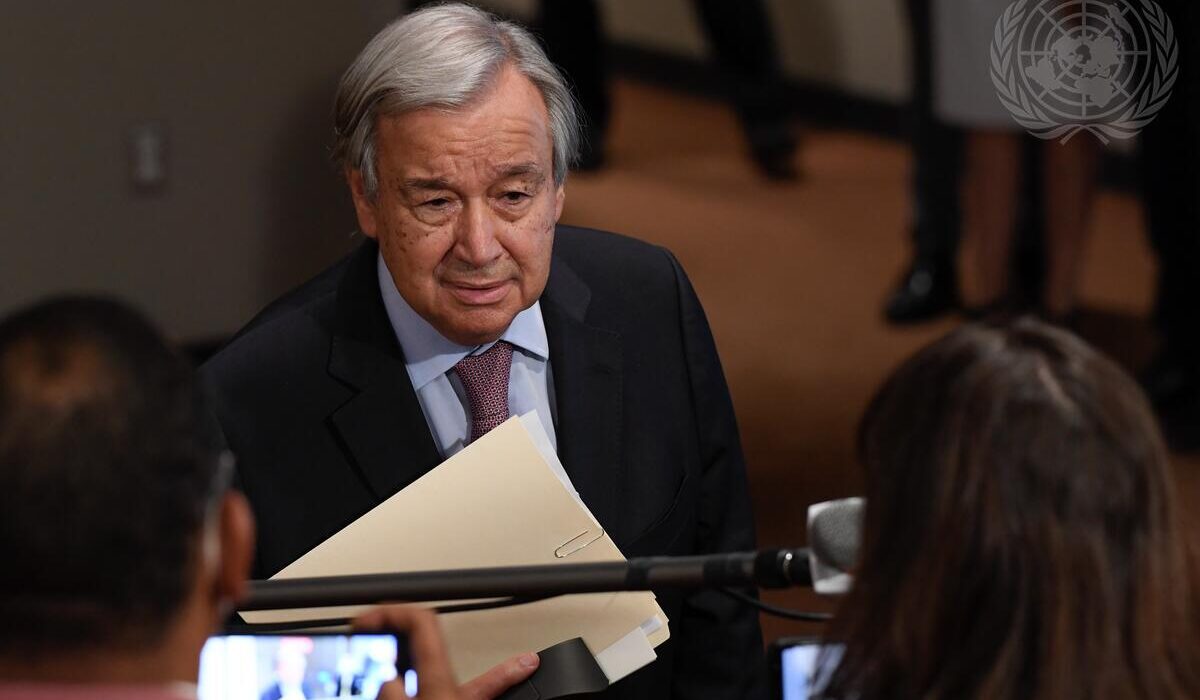
In the report, the UN Secretary-General noted that the Taliban de facto authorities continue to maintain control over the entire territory of Afghanistan. However, restrictions on women and girls remain firmly in place. The report highlights that the ban on girls’ education beyond the sixth grade has now entered its fifth consecutive year, with no indication of change.
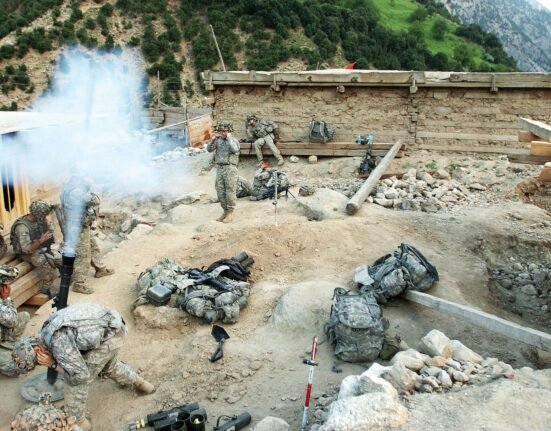
The report further states that clashes, airstrikes, and military activities between Afghanistan and Pakistan have resulted in civilian casualties, displacement of families, and damage to critical infrastructure. According to the United Nations, several regional countries have also undertaken mediation efforts to reduce tensions between the two sides.
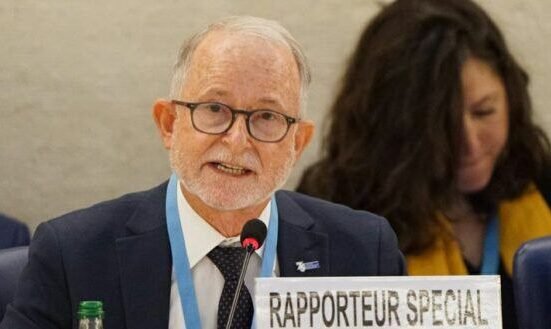
Regarding human rights, the report documents cases of killings, arbitrary arrests, and torture of former government officials and members of the former Afghan security forces. It also expresses concern over the continued use of corporal punishment, restrictions on media activities, and severe limitations on women’s freedoms.
The economic situation remains alarming, according to the report. The decline in international aid, the prolonged closure of the Pakistan border, trade disruptions, and the large-scale return of refugees have placed significant pressure on Afghanistan’s economy. The report notes that food prices have increased, further deteriorating living conditions for millions of Afghans.
The United Nations estimates that approximately 21.9 million Afghans require humanitarian assistance, while the 2026 Humanitarian Needs Response Plan has received only 14 percent of the funding required. According to the report, 17.4 million people are facing acute food insecurity, and around 4.9 million children and mothers require treatment for acute malnutrition.
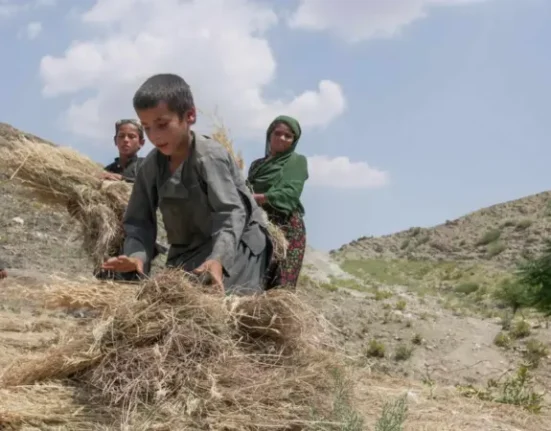
The report also highlights the impact of climate change and natural disasters, noting that recent floods and prolonged droughts have affected thousands of families, damaged agricultural land, and further worsened living conditions across the country.
In his report, the UN Secretary-General urged the de facto authorities to end restrictions on women and girls, respect human rights, and create conditions for constructive engagement with the international community.
He also called on the international community to increase humanitarian assistance for Afghanistan, stressing that the lives of millions of Afghans continue to depend on such support.