
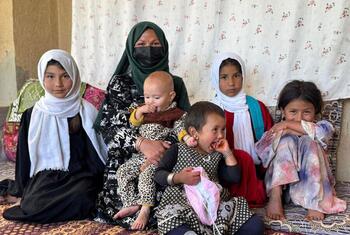
The United Nations World Food Programme (WFP) says Afghanistan’s malnutrition crisis has reached its most severe level, with around five million mothers and children now affected.
WFP Deputy Executive Director Carl Skau described the situation across Afghanistan as “deeply distressing and unacceptable,” saying what he witnessed in eastern provinces reflects conditions across the country.
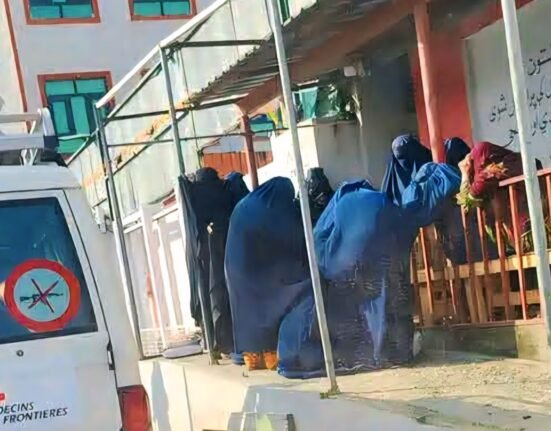
He said he recently met mothers and children who walked for more than two hours to reach WFP-supported clinics, only to be turned away due to a lack of essential nutritional supplies.
According to WFP, border closures, repeated natural disasters such as floods and earthquakes, and declining humanitarian funding have further intensified the crisis.
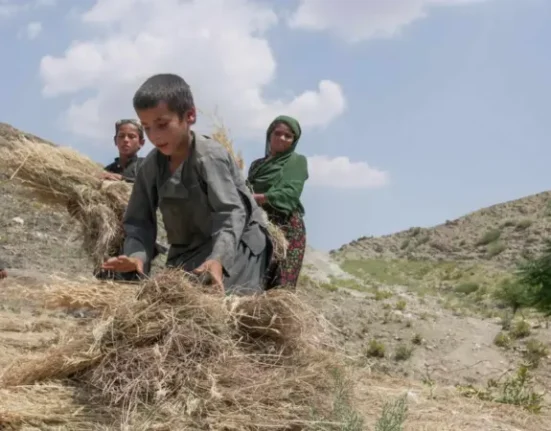
The agency also reported that around 500,000 people have returned to Afghanistan from Pakistan and Iran so far this year, adding to nearly 2.8 million returnees last year and increasing pressure on already struggling communities.
Skau warned that many families return with only what they can carry and often have no support, shelter, or access to basic needs upon arrival.
WFP cautioned that without urgent funding and improved access for humanitarian aid, preventing a large-scale humanitarian disaster for millions of mothers and children will not be possible.
The agency says it urgently needs at least $350 million over the next six months to sustain life-saving operations in Afghanistan.
Meanwhile, the UN Assistance Mission in Afghanistan (UNAMA) has also expressed concern over the detention of journalists, saying at least three journalists have been arrested in recent days on unspecified charges.
UNAMA has called for clarification of the legal basis for the detentions and urged respect for due process, stressing that a free and independent press is essential for transparency and accountability in society.