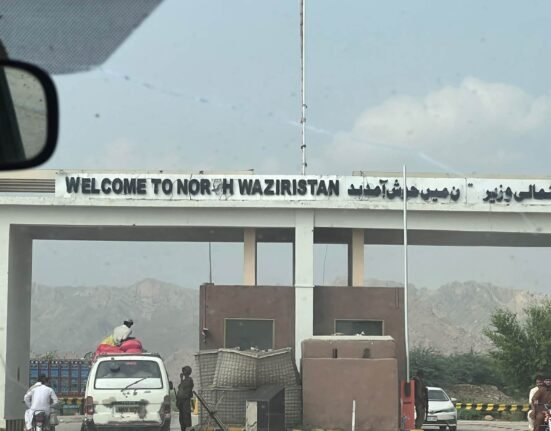

Recent security tensions in the region, combined with ongoing clashes between Afghanistan and Pakistan, have intensified Pakistan’s economic and energy challenges. While Pakistan’s recent cross-border operations and Afghanistan’s retaliatory actions are unfolding, the key trade and transit routes between the two countries—already closed for some time—remain inaccessible, further complicating the situation.
Analysts warn that the continued closure of these routes has caused significant economic strain. Islamabad relies heavily on Afghanistan’s corridors to reach Central Asian markets, and the blockages are disrupting both trade and energy supply chains.
Meanwhile, tensions in the Middle East—particularly U.S. and Israeli actions against Iran—have disrupted regional energy transport. Iran, a major energy producer in the region, plays a key role in stabilizing oil supplies, and any conflict there affects global oil prices and regional imports.
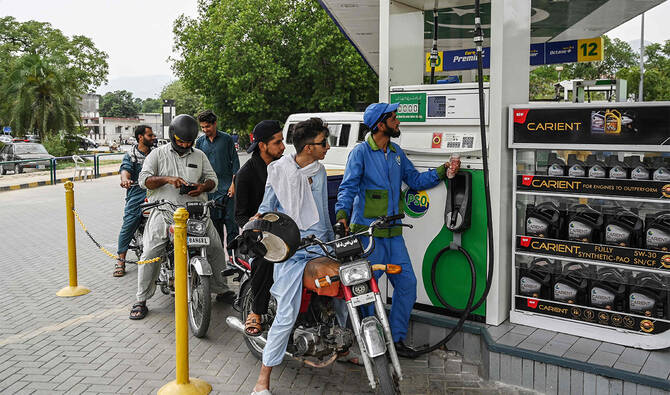
Pakistan, heavily dependent on foreign energy imports, is now facing compounded pressures. Transit restrictions through Afghanistan, limited access to Central Asia, and regional instability have all disrupted the country’s oil supply. Rising fuel prices and shortages are already affecting daily life, prompting widespread public criticism of Islamabad’s foreign policy.
Political analysts argue that Pakistan’s confrontational approach toward its neighbors is backfiring economically. If the current situation persists, Islamabad may be forced to normalize relations with Kabul and seek the reopening of trade routes. Afghanistan’s strategic position in regional transit makes cooperation unavoidable for Pakistan to access Central Asian markets.
The continuation of tensions could push Pakistan to pursue dialogue with the Afghan government to mitigate growing economic pressures.