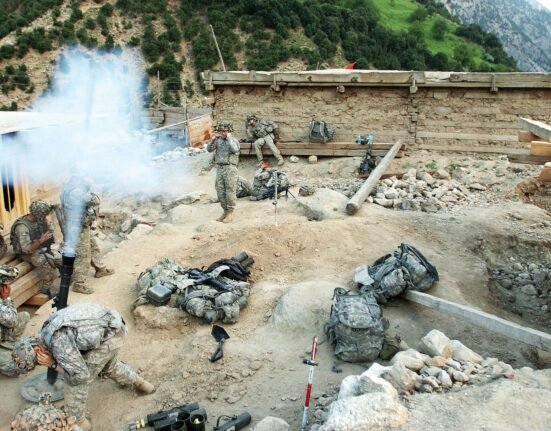

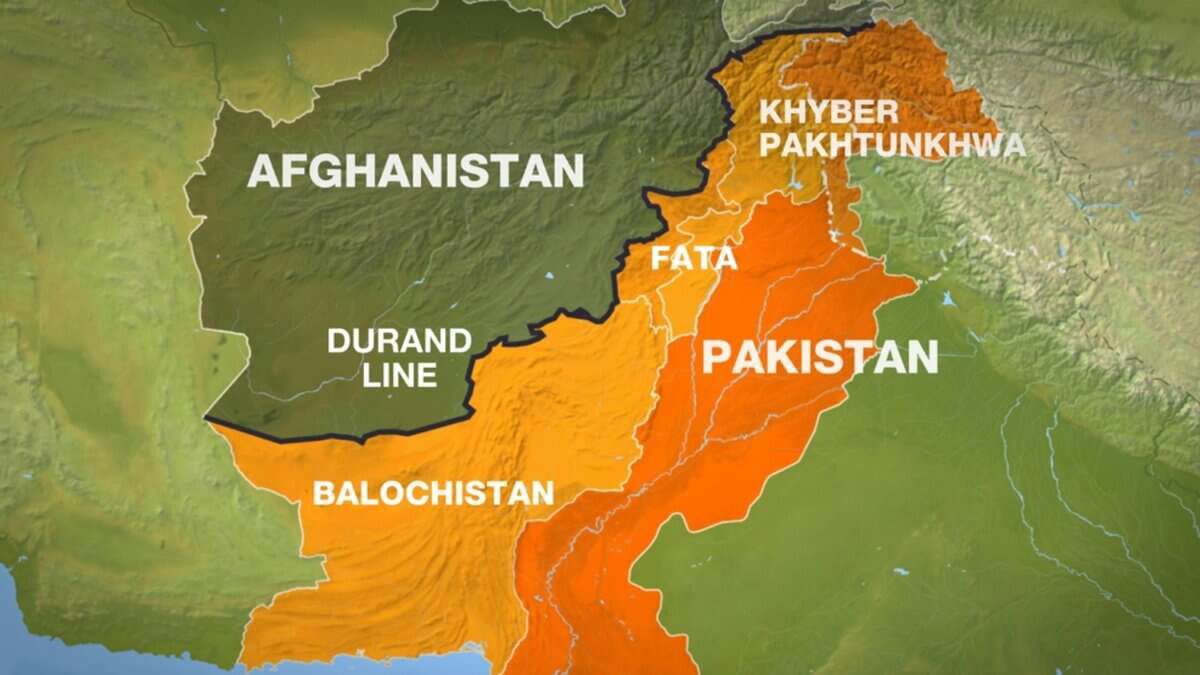
In recent weeks, Pashtun activists have launched a coordinated campaign claiming that the ongoing armed conflicts, conducted under the guise of Pakistan’s security policies, are in fact being driven to protect the political and economic interests of Punjab.
The activists emphasise that the human, social, and geographical costs of these conflicts disproportionately affect Pashtun and Baloch communities, while the centres of power largely remain insulated from direct consequences. According to them, this situation highlights the unequal distribution of power within the state.
They have called on Pashtuns still serving in lower-level positions within Pakistan’s security forces and military to reconsider their roles. Remaining in these structures, the activists argue, carries serious personal security risks and also has two broader consequences:
First, it reinforces the state narrative that Pashtuns and Baloch are participants in conflicts that primarily benefit Punjab’s ruling elites.
Second, it perpetuates inter-community violence, with members of one ethnic group being used against another.
The activists also claim that Pakistan’s military applies a “loss-either-way” equation to Pashtuns—meaning that whether a conflict is won or lost, the human costs fall on them. They say that, to date, the balance of gains and losses has not shifted in favour of the central power structures.
Local sources indicate that in recent months, hundreds of Pashtuns have left the ranks of Pakistan’s security institutions after coming to terms with these realities.
Meanwhile, political and civil movements are increasingly focusing on policies that challenge Punjab’s dominant role in the state. Analysts say that if these debates continue, Pashtun and Baloch communities could assert greater autonomy, potentially establishing self-governing systems—issues that international human rights organisations have highlighted for years.
Related Post