The United Nations Office for the Coordination of Humanitarian Affairs (OCHA) and the Nutrition Cluster have issued a recent warning stating that Afghanistan’s nutrition situation is rapidly deteriorating. Without urgent intervention, millions of children could face severe risks in the remaining months of 2026.
According to the report, approximately 3.7 million children in Afghanistan are at risk of acute malnutrition, reflecting the deepening severity of the country’s humanitarian crisis.
The Nutrition Cluster notes that the seasonal peak of malnutrition is expected to begin in July and last for three to four months. This period typically worsens nutritional conditions each year; however, this year the situation is already deteriorating significantly even before the peak season begins.
The report further indicates that in 26 out of Afghanistan’s 34 provinces, the rate of severe acute malnutrition has increased compared to last year. This suggests that the crisis is not only seasonal but increasingly long-term in nature.
Twelve provinces have been identified as being at very high risk, including Helmand, Daykundi, Zabul, Baghlan, Uruzgan, Paktika, Nuristan, Sar-e-Pul, Ghor, Kandahar, Faryab, and Logar. Some of these provinces, particularly in the south, are reported to be experiencing levels of acute malnutrition classified as Phase 4 severity.
Nutrition experts attribute the worsening situation to several key factors, including poor infant and young child feeding practices, food insecurity, inadequate dietary diversity among children, rising disease burdens, lack of access to clean water and sanitation, and limited availability of health services.
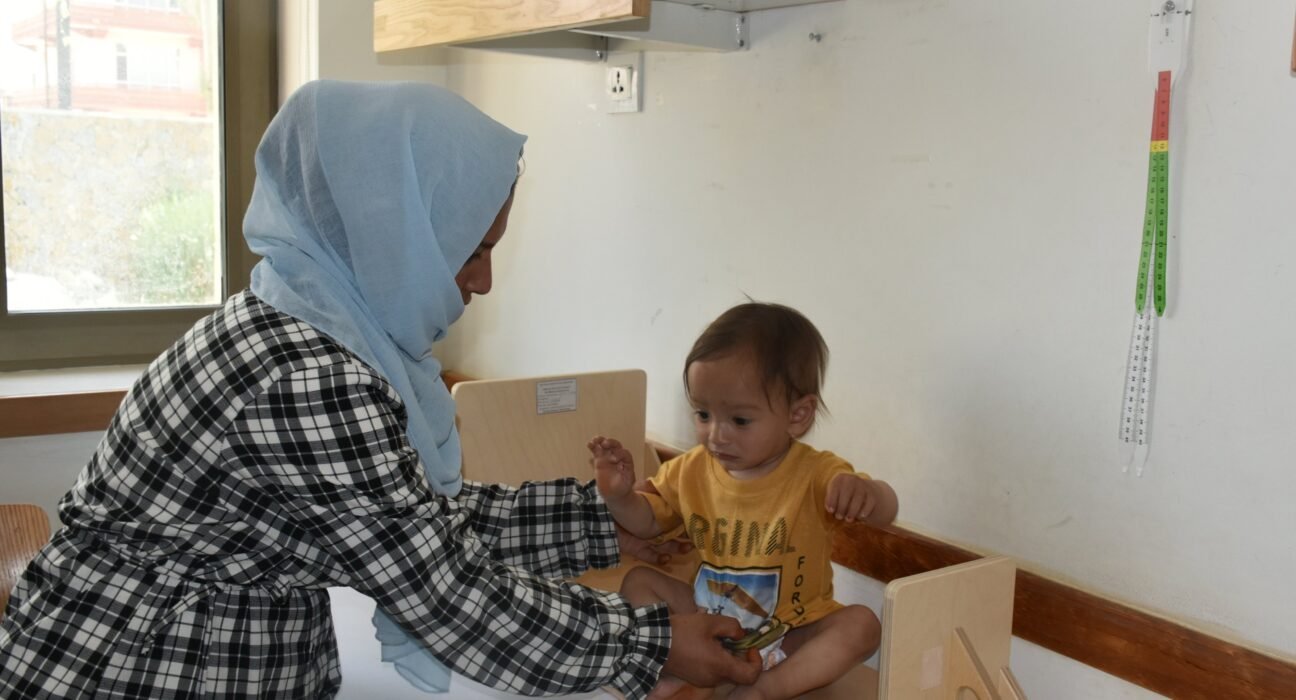
A key section of the report highlights that nearly 40 percent of children under six months suffering from severe malnutrition require hospitalization, indicating increasing pressure on the healthcare system.
Children under the age of two are the most affected group. The report states that 83 percent of severe acute malnutrition cases and 77 percent of moderate acute malnutrition cases occur within this age group. Around 19 percent of moderate cases are classified as high-risk.
At the same time, food insecurity among children is also rising. Data shows an increase from 40 percent to 47 percent between 2025 and 2026, closely linked to the rise in malnutrition cases.
Despite the worsening conditions, mortality rates remain within global humanitarian thresholds. OCHA notes that this is largely due to ongoing humanitarian assistance; however, it warns that the situation remains extremely fragile and could deteriorate at any time.
Projections suggest that in 2026, 3.7 million children will suffer from different forms of malnutrition, including 942,000 with severe acute malnutrition, 707,400 with high-risk moderate acute malnutrition, and nearly 2 million in the early stages of malnutrition. In addition, around 1.2 million pregnant and breastfeeding women are also affected.
UN agencies are calling on the international community to urgently increase funding to prevent further deterioration of Afghanistan’s nutrition crisis, in order to save millions of children’s lives and prevent worsening conditions in the coming months.