
Military’s expanding authority, rising violence, collapsing trade routes, and growing international isolation push Pakistan into one of its most unstable periods in decades.
Pakistan is facing one of the most severe phases of political, economic, and security turmoil in its history.
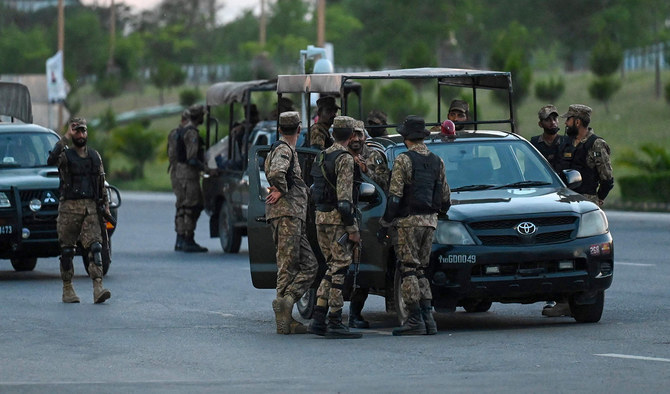
Several Pakistani journalists, speaking to Rana on condition of anonymity, said the country is currently grappling with deepening security, economic, and political crises. According to them, the military is increasingly attempting to monopolize power through illegitimate means, causing political parties to lose trust in the institution.
They noted that Pakistan’s political movements now believe power has effectively taken the form of a full military regime — a situation that in the past emerged only after a coup. Their concerns are not limited to opposition groups; even the country’s nominal civilian authorities are deeply worried but remain silent due to fear of the army.
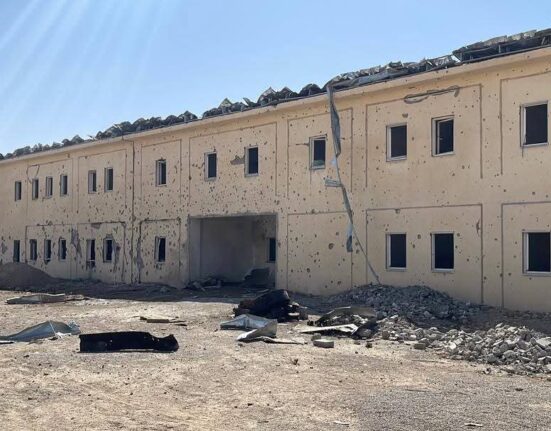
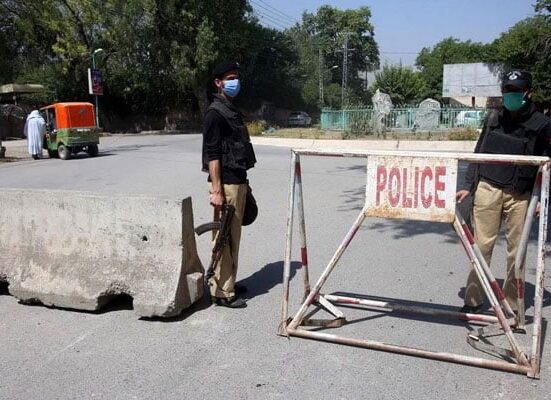
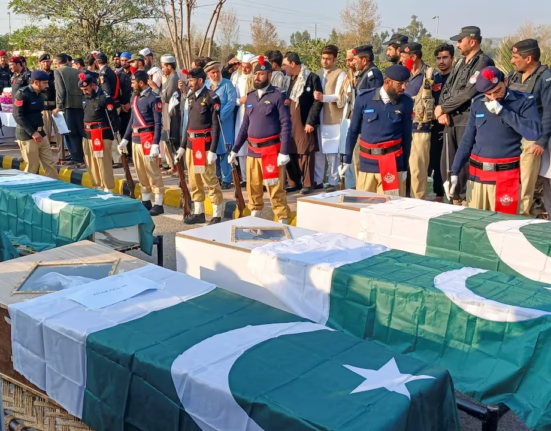
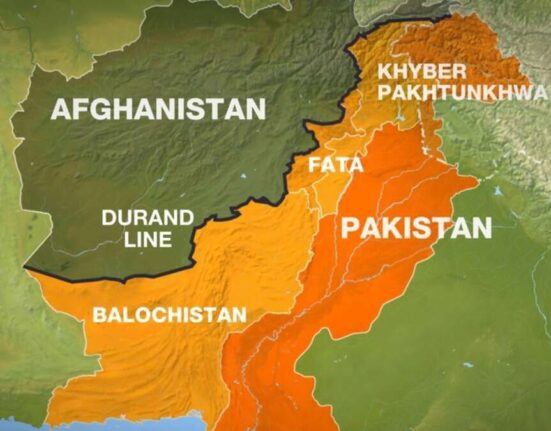
This wave of insecurity is no longer limited to the occupied Khyber Pakhtunkhwa and Balochistan regions. Violence has now spread to Punjab and Gilgit-Baltistan as well. Attacks on the military and police have doubled compared to last year. Khyber Pakhtunkhwa alone has witnessed more than 200 additional attacks, four intelligence officers were killed in a single incident in Gilgit, and key military installations in Punjab have also come under attack.
Some Pakistani politicians link the rising insecurity to the army’s increasingly authoritarian and destabilizing policies.
According to information obtained by these journalists, Pakistan’s debt-stricken government is celebrating the potential approval of another two-billion-dollar loan rather than pursuing real economic solutions — an act they describe as misleading the public.
Trade routes have also narrowed sharply for Pakistan. Commerce and transit with Afghanistan had long provided a cheap, easy, and profitable export channel. However, Kabul’s closure of these routes has turned economic advantages into losses for Pakistani traders and manufacturers. Pakistani oranges and other produce have begun to rot in markets, while pharmaceutical companies alone have suffered an estimated 200 million dollars in losses in recent days.
Several manufacturing firms, including pharmaceutical companies, have warned that continued closure of these routes could collapse their businesses.
Pakistan’s growing political isolation is another major concern. While regional diplomatic realignments are underway, Pakistan remains embroiled in disputes with its neighbors. The international community has also lost confidence in the country due to the erosion of democratic norms and the expanding authoritarian control of the military.
Forty-four members of the U.S. Congress have called for sanctions on Pakistan’s Prime Minister Shehbaz Sharif and Army Chief Asim Munir. In a letter addressed to U.S. Secretary of State Marco Rubio, Democratic lawmakers requested an official response by December 17. The letter states that opposition leaders are being held without trial, independent journalists face harassment or forced exile, and social-media users expressing dissenting views are being jailed. The situation in Khyber Pakhtunkhwa and Balochistan is described as particularly alarming.
Journalists who spoke to Rana said the Pakistani military is now so overwhelmed by the scale of political and security crises that its generals have begun openly complaining in press conferences and on social media, expressing frustration over what they describe as “Afghan propaganda.”