
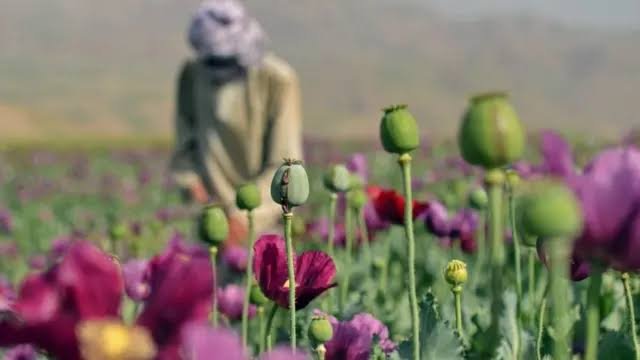
The Diplomat, in an analytical article, has reported that opium cultivation and production in Afghanistan have increased again despite the Taliban’s ban.
According to figures from the United Nations Office on Drugs and Crime (UNODC), cited in the article, opium cultivation in Afghanistan reached 43,000 hectares in 2026, marking a 330 percent increase compared to the previous year.
The article further states that opium production has risen from approximately 300 tonnes to nearly 1,500 tonnes.
The Diplomat reports that Badakhshan and Takhar have become the main centers of opium cultivation, accounting for 76 percent of the country’s total cultivated area.
The analytical article identifies poverty, the lack of alternative crops, and the activities of drug trafficking networks as major factors behind the increase in opium cultivation.
Meanwhile, the Taliban government has repeatedly said that it is conducting a strict campaign against opium cultivation and narcotics, claiming that no one can cultivate or traffic drugs anywhere in the country.
Analysts say that international support for Afghan farmers in developing alternative livelihoods and promoting legal agricultural crops could help eliminate opium cultivation in Afghanistan.