Following the Taliban’s return to power, restrictions and bans have been imposed on the publication of images in Afghanistan. Among these measures, television broadcasting has been banned in several provinces, while the publication of images has been completely prohibited in a number of print media outlets.
Before the Taliban returned to power, numerous television channels and print media outlets were operating in different provinces across Afghanistan. However, the majority of these media outlets have now been shut down due to restrictions and economic difficulties.
The restrictions on images have prompted some professionals and enthusiasts in the visual media sector to shift from visual media to audio-based media.
In the current year, a number of new audio media outlets have become active in different provinces of Afghanistan, particularly in Pashtun-majority areas.
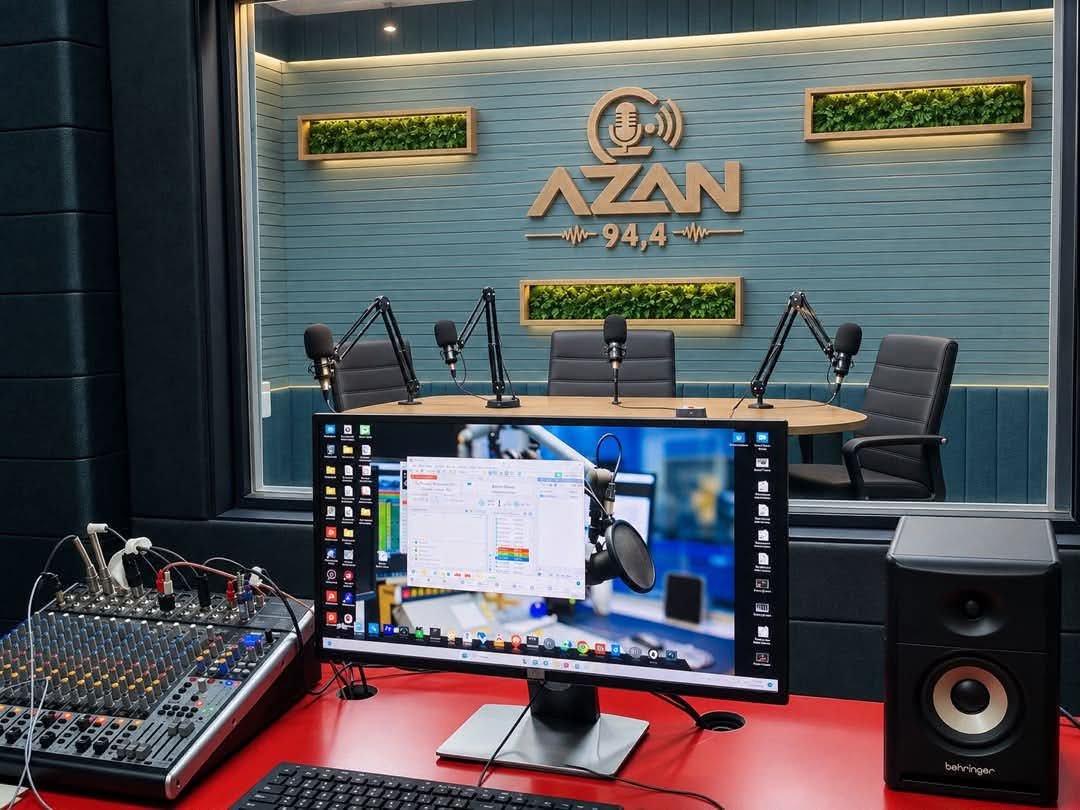
Recently, Azan Radio began broadcasting in Kabul. A few days earlier, Hila Charkh Radio in Ghazni and Nawaye Nakhbegan Radio in Farah also began their operations.
Earlier this year, Paktia Jirga Radio began operating in Paktia, Ade Radio in Kabul, Sta Radio in Helmand, Sah and Khushal Radio stations in Khost, Khayal Nawosht in Nangarhar, Sepida Dag Radio in Ghazni, and De Sind Ghag Radio in Kunar also became active.
Meanwhile, following the Taliban’s return to power, intelligence authorities have arrested numerous journalists over their media activities. They were later released after spending varying periods in detention.
A few days ago, the Taliban also halted the broadcasts of Tamaddon and Farda television channels in Kabul and, in addition, suspended the broadcasts of Eslah Radio.
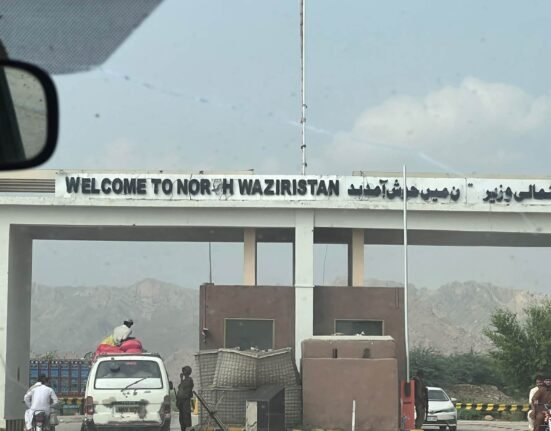
Following restrictions imposed on television broadcasting by the Taliban’s Ministry for the Propagation of Virtue and Prevention of Vice in several provinces—reportedly reaching 23 provinces—some television stations in those areas were forced to convert their operations into radio broadcasts.
However, this process of converting television stations into radio stations has been halted for some time. Among them, the national television station in Paktia, which had switched to radio broadcasting following the restrictions, has resumed its television broadcasts.
Sources told RANA that during this period, several senior Taliban officials, including ministers, had requested the establishment of television stations. However, according to an order by the Taliban leader, no one has been authorized to issue licenses for television operations.
According to information from the Taliban’s Ministry of Information and Culture, only one television station was initially granted an operating license during the Taliban’s current rule. However, the station has not yet begun broadcasting.
A few days ago, the seizure of cameras and other equipment from 12 journalists during a book exhibition in Khost province was another example of pressure on journalists. The action was carried out by the Taliban’s Ministry for the Propagation of Virtue and Prevention of Vice.
Despite these restrictions and challenges, Taliban government officials say they have provided an environment for media outlets to operate within the framework of government policies and that media organizations are able to conduct their broadcasts freely.