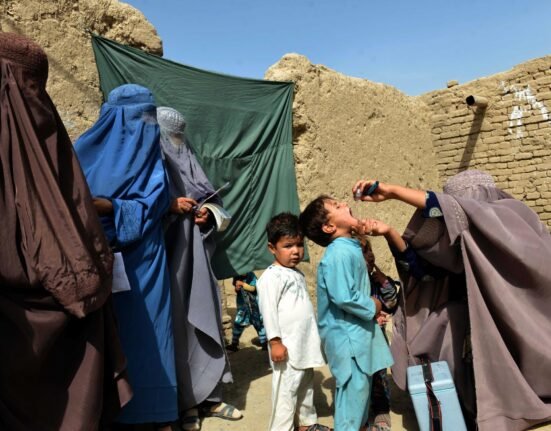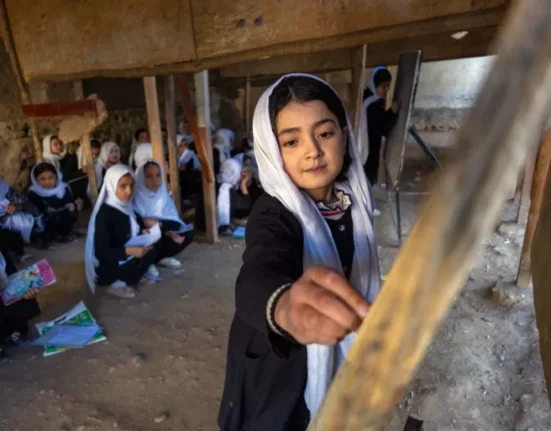

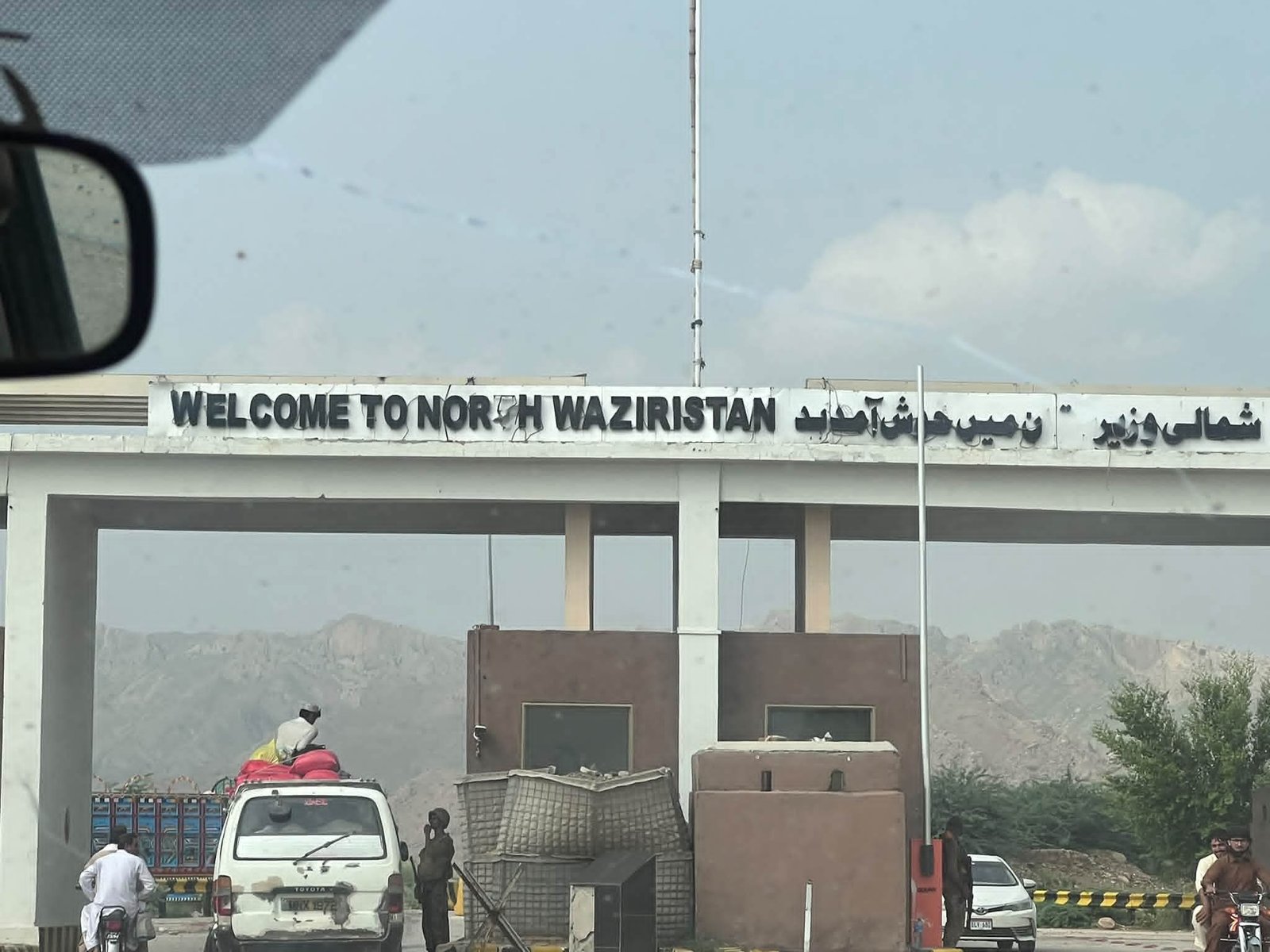
Years of conflict and insecurity in Waziristan have had profound effects on the daily lives of residents, particularly women and children.
Jamaima Afridi, a journalist who traveled to Waziristan to report on the situation in the area, said that checkpoints, military presence, armed groups, attacks, displacement, and fear have become part of people’s everyday lives.
According to her, nearly every household has a story of violence, the loss of loved ones, displacement, or fear, but many of these stories remain untold due to fear and restrictions faced by residents.
She said that while reporting from Waziristan, she had to wear a burqa in order to keep a low profile and move more easily among people in the area.
The journalist said that although she opposes restricting women because of their clothing, wearing a burqa in Waziristan became a practical necessity for her to move around and carry out her journalistic work.
She added that as insecurity has increased, women’s lives have become even more restricted, affecting their freedom of movement, employment opportunities, access to opportunities, and ability to express their views freely.
Meanwhile, children are also facing both the direct and indirect consequences of conflict and are growing up in an environment where fear and violence have become part of everyday life.
According to the journalist, conflict is not limited to explosions, attacks, and destruction; it is also the silence that has cast a shadow over people’s lives.
She said families forced to leave their homes because of conflict carry the psychological and social consequences of the conflict with them.
She stressed that in communities where people have lived with fear for many years, many important stories remain hidden from the outside world.
According to her, documenting the lives and experiences of these people, particularly children, is essential to ensure that the untold stories of ordinary people living through conflict do not disappear into silence.