
According to a report by the British newspaper The Guardian, the war by the United States and Israel against Iran has caused unprecedented increases in global oil prices, severely affecting vulnerable populations and creating serious obstacles for humanitarian aid.
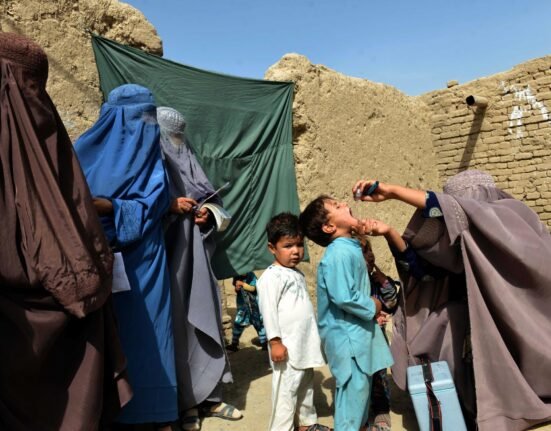
At the same time, the Afghanistan office of the World Food Programme (WFP) has stated that the cost of transporting food to landlocked Afghanistan has tripled. The WFP says aid deliveries now take several weeks longer to arrive, placing families under extreme pressure and leaving children facing hunger.
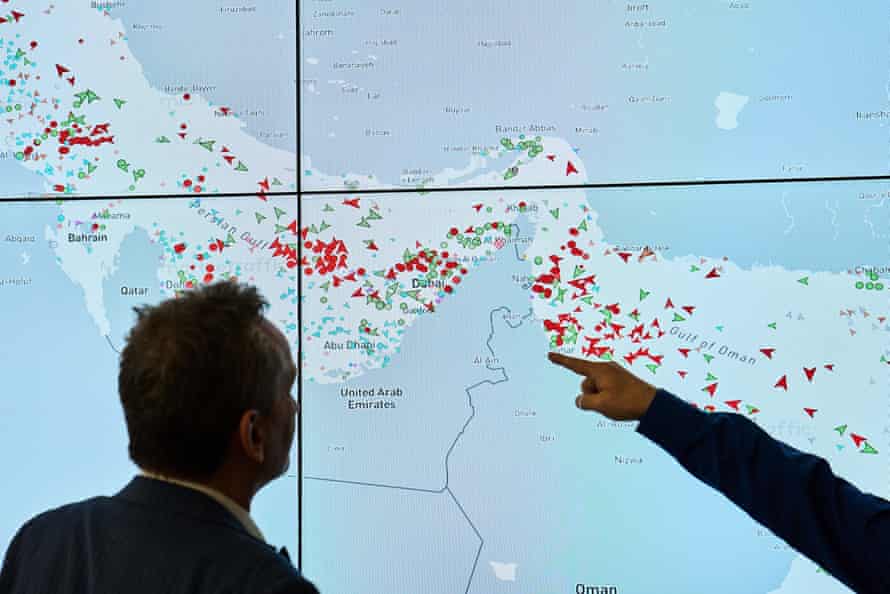
The report states that rising oil prices have slowed down the transportation of food, medicine, and other essential supplies, and in some cases have even halted aid deliveries. Humanitarian organizations are now calling for a “humanitarian corridor” through the Strait of Hormuz to ensure that at least the currently blocked supplies can reach those in need.
Bob Kitchen, Vice President for Emergencies at the International Rescue Committee, said urgent and serious discussions are needed to find solutions for transporting aid through the Strait of Hormuz. According to him, medical supplies worth $130,000 are currently stuck in Dubai and are needed by around 20,000 people in Sudan.
Meanwhile, a representative of the International Federation of Red Cross and Red Crescent Societies stated that rising oil prices are not only affecting people’s daily lives but are also placing direct pressure on humanitarian operations.
The report notes that since the start of the conflict, oil prices have risen from around $60 to nearly $120 per barrel, and are currently about $111. This increase is due to the closure and restrictions in the Strait of Hormuz, which has disrupted global supply chains.
Save the Children reports that every $5 increase in oil prices adds approximately $340,000 in monthly costs for the organization—equivalent to a month’s worth of aid for nearly 40,000 children.
The World Food Programme has warned that the situation could push an additional 45 million people into hunger, on top of the 318 million already facing food insecurity.
The report further highlights that food and medicine prices have risen sharply in Afghanistan, Yemen, Somalia, and other countries. In particular, the cost of delivering food to Afghanistan has tripled, increasing the risk of child hunger.
It also notes that global aid budgets have declined, with the United States cutting its foreign aid by 57%, while UK aid has dropped to its lowest level since 2008.
Humanitarian organizations warn that if the situation continues, it will not only increase hunger but also drive migration, worsen agricultural challenges, and potentially escalate conflicts.